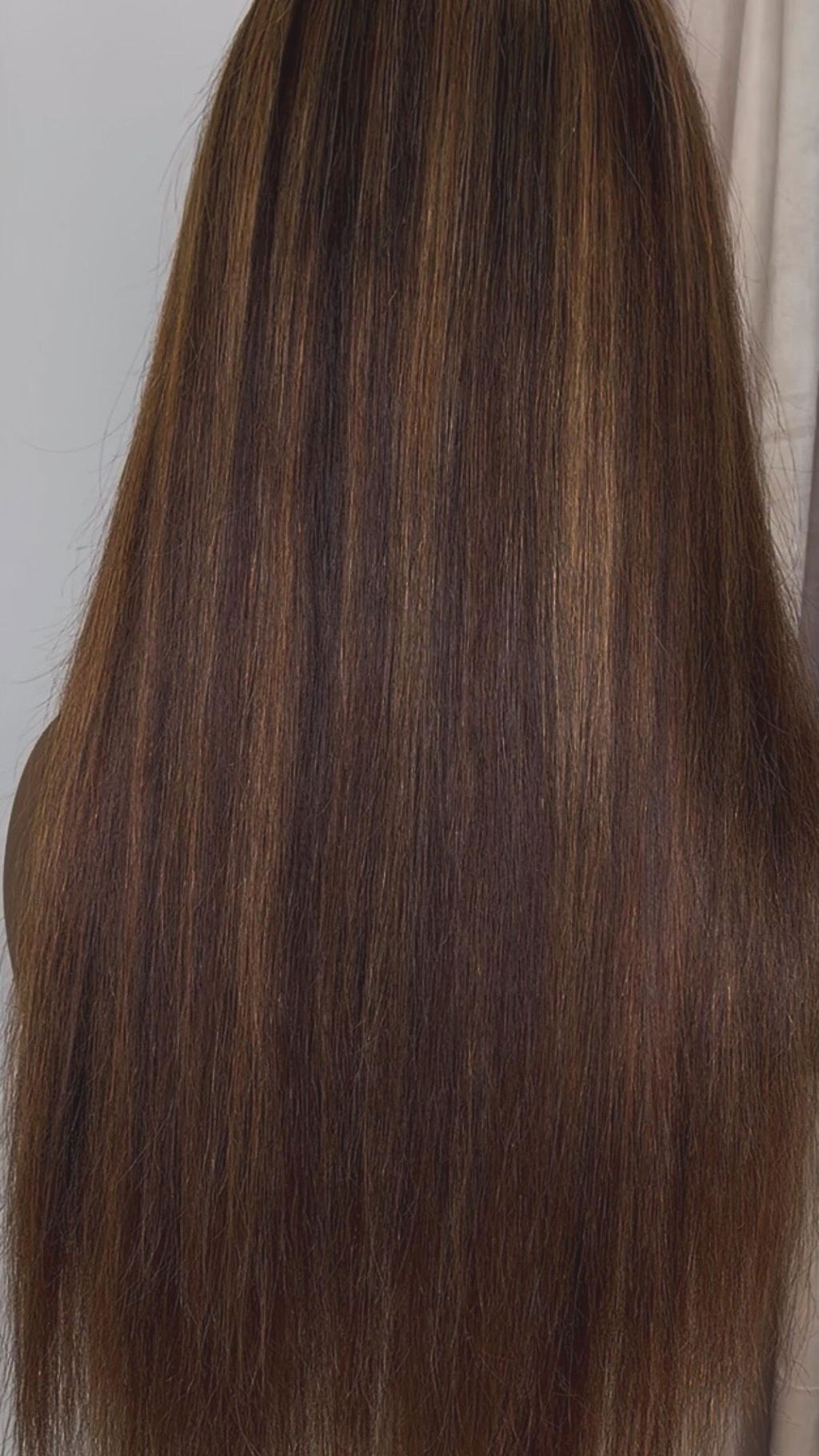



Raw Hair vs. Virgin Hair: Which Is Right for You?
Choosing between raw hair and virgin hair is one of the most common questions we hear from first time buyers, and even from customers who've been wearing extensions for years. Both are premium options, but they come from different sourcing and processing standards that affect texture, longevity, cost, and care. This guide breaks it all down so you can choose with confidence.
What Is Virgin Hair?
Virgin hair is human hair that has never been chemically processed, no perming, relaxing, dyeing, or bleaching. It is collected from a single donor (or sometimes multiple donors with similar textures), cuticles run in the same direction to minimize tangling, and the hair arrives in its natural state. Because it hasn't been altered, it holds up well to color treatments and heat styling.
Key characteristics of virgin hair:
- Unprocessed, no chemicals applied
- Cuticles intact and aligned
- Can be dyed, bleached, or heat-styled
- Typically sourced from Southeast Asia, India, or Brazil
- Available in a range of natural textures (straight, wavy, curly, kinky)
Browse our Virgin Hair Extensions collection to see available lengths, textures, and bundles.
What Is Raw Hair?
Raw hair is the purest form of human hair available. It is collected directly from a single donor, never pooled from multiple sources — and has undergone zero chemical or steam processing of any kind. The texture you receive is the authentic, unaltered texture that donor was born with. Because it is single donor and completely unprocessed, the cuticle layer is exceptionally strong and the hair behaves as close to your own natural hair as possible.
Key characteristics of raw hair:
- Single donor only — true one source hair
- Zero chemical or steam processing
- Cuticles fully intact, running in a single direction
- Natural texture varies slightly bundle to bundle (this is normal and a sign of authenticity)
- Most commonly sourced from India, Cambodia, Vietnam, or Burma
- Highest durability and longest lifespan of any extension type
Explore our Raw Hair Extensions collection to find your perfect match in texture and length.
Raw Hair vs. Virgin Hair: The Key Differences
Both raw and virgin hair are unprocessed in the chemical sense, but the distinction lies in sourcing and standardization:
1. Sourcing
Virgin hair may be collected from multiple donors whose hair is sorted and matched for a uniform look. Raw hair comes from a single donor, meaning every bundle in a set is from the same person — resulting in a more consistent texture and density.
2. Processing
Virgin hair is free of chemical processing but may go through steam processing to achieve a consistent wave or curl pattern. Raw hair is never steamed or chemically altered in any way — the texture is 100% natural and may vary slightly between sets, which is a hallmark of authenticity.
3. Texture Consistency
Because virgin hair can be steam-processed to a pattern, texture tends to be very uniform from bundle to bundle. Raw hair will have subtle natural variation — a quality many wearers prefer because it blends seamlessly with their own hair.
4. Durability and Longevity
Both types are long-lasting with proper care. Raw hair's fully intact cuticle and single-donor sourcing generally means it can withstand more wash cycles and styling over a longer period of wear. Many raw hair wearers report getting years of use from a quality set with consistent care.
5. Cost
Raw hair is typically priced higher than virgin hair, reflecting the stricter sourcing requirements (single-donor, zero processing). Virgin hair offers an excellent balance of quality and accessibility, especially for buyers new to premium extensions.
6. Styling Versatility
Both types can be straightened, curled, flat-ironed, and colored. Because raw hair cuticles are completely untouched, it tends to revert to its natural texture after washing — something to keep in mind if you prefer a consistently styled look. Virgin hair that has been steam-set will also revert over time but may have a slightly different reversion pattern depending on its original sourcing.
Which Is Right for You?
The best choice depends on your lifestyle, budget, and styling preferences:
- Choose virgin hair if: you want a premium extension at a more accessible price point, prefer a consistent texture right out of the bundle, and plan to style regularly with heat or color.
- Choose raw hair if: you want the most natural, closest-to-your-own-hair experience, prioritize longevity and durability, and appreciate subtle texture variation that blends effortlessly with natural hair.
What About Wigs?
If you'd prefer a protective style or a ready-to-wear option, our Made to Order Wigs are crafted from the same premium raw and virgin hair. You can specify your texture, density, length, and cap construction — giving you the quality of a custom piece with the convenience of a wig.
Care Tips That Apply to Both
- Wash gently: Use a sulfate-free shampoo and work from root to tip in a downward motion.
- Deep condition regularly: Both raw and virgin hair benefit from moisture — aim for a deep conditioning treatment every 2–3 washes.
- Minimize heat: When you do use heat, always apply a heat protectant and keep temperatures at or below 380°F.
- Store properly: When not in use, store bundles or wigs on a hanger or wig stand to preserve the pattern and prevent tangling.
- Avoid product buildup: Lightweight oils and leave-ins are great; heavy waxes or butters can coat the cuticle and dull the hair over time.
Still Not Sure?
If you're weighing your options or have questions about which texture or type will work best for your hair goals, don't hesitate to reach out. We're happy to help you find the right fit from our Raw Hair Extensions, Virgin Hair Extensions, or Made to Order Wigs collections.